Role of an Interior Design Company

Role of an Interior Design Company An interior design company transforms empty or existing spaces into functional, aesthetic, and comfortable environments by managing the entire journey from concept to completion. Here is a detailed explanation of each core service

DESIGN


Design is the creative process where the overall look, mood, and theme of the space are defined. It starts with understanding the client’s lifestyle, taste, and functional needs. Color palettes, materials, furniture styles, and lighting concepts are carefully selected. The designer ensures harmony between aesthetics and practicality. Every element is chosen to create visual balance and comfort. Cultural preferences and modern trends are also considered. The design reflects the personality of the occupants. It forms the foundation for all further planning and execution.

Role of an Interior Design Company

PLANNING


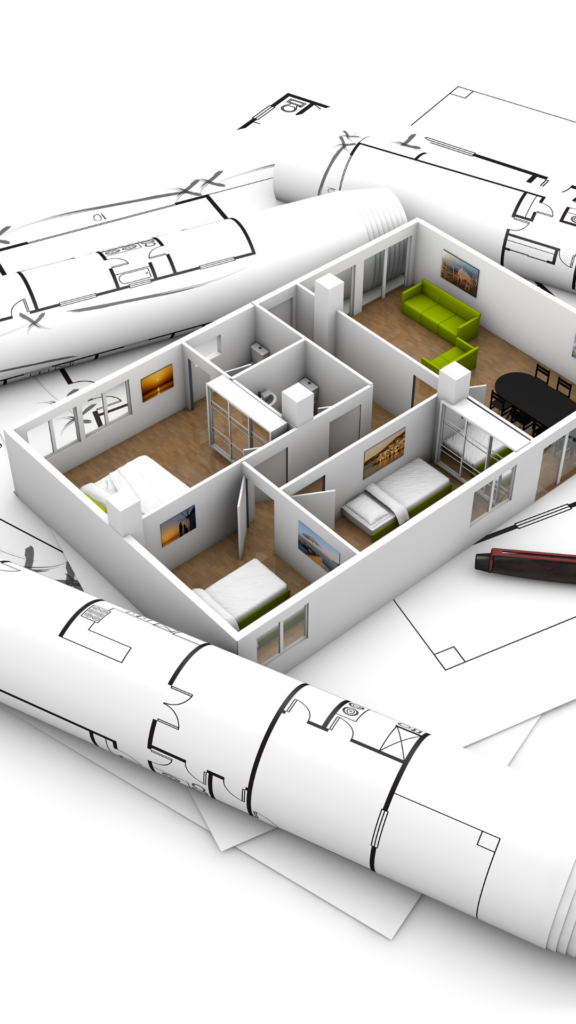
Planning focuses on organizing the space for maximum functionality and flow. It includes layout design, furniture placement, and movement circulation. Electrical, plumbing, and lighting points are strategically mapped. Storage zones and activity areas are clearly defined. Structural limitations and site conditions are analyzed. Budget allocation is also part of the planning stage. Proper planning avoids future modifications and wastage. It ensures smooth execution and long-term usability.

Role of an Interior Design Company

VISUALIZATION


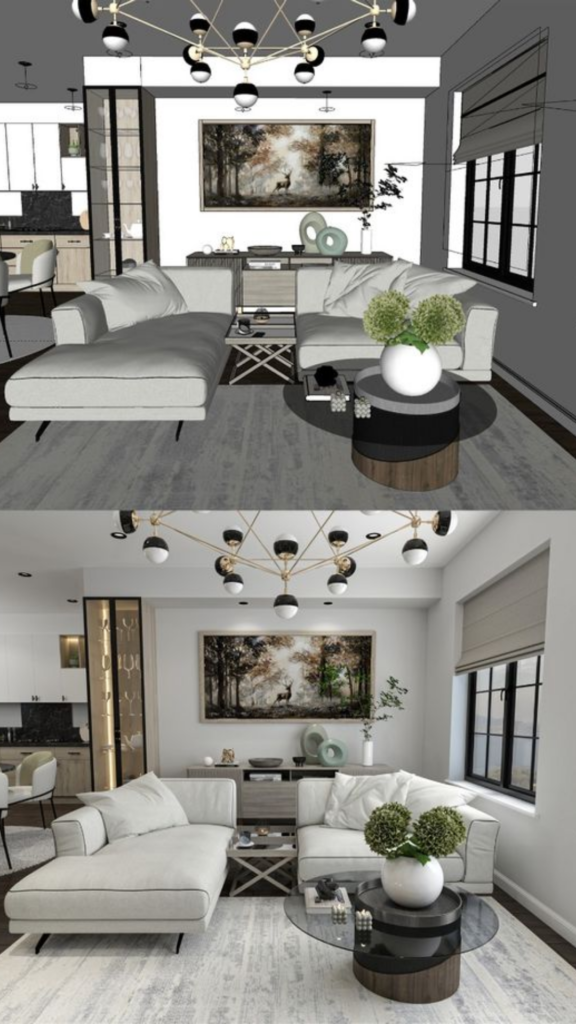
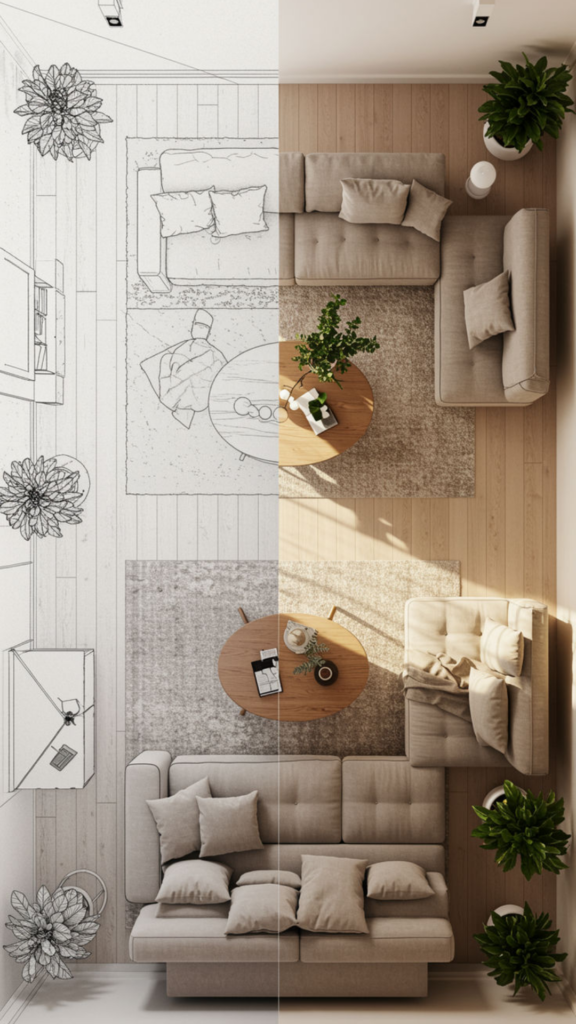
Visualization helps clients see the final outcome before construction begins. Designers create 2D layouts, 3D views, and realistic renders. Clients clearly understand colors, textures, and proportions through these visuals. Designers showcase lighting effects and material finishes in advance. Clients easily suggest changes at this stage. This process reduces errors during execution. Visualization builds confidence in design decisions. It bridges the gap between imagination and reality.

Role of an Interior Design Company

EXECUTION


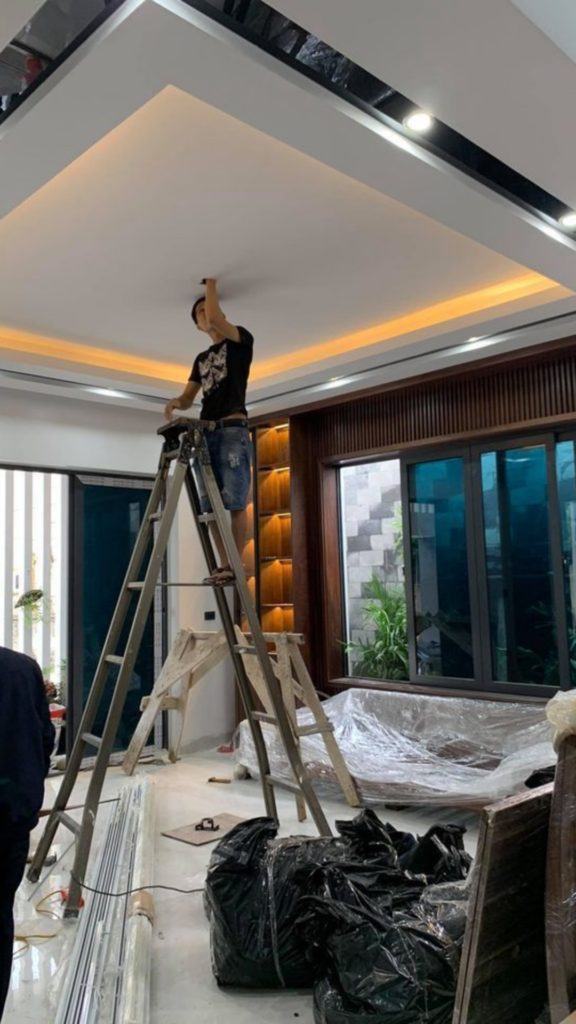
Execution is the phase where teams transform designs into real spaces. It includes carpentry, electrical, plumbing, painting, and installation work. Project managers coordinate different teams and vendors. They conduct quality checks at every stage. They closely monitor timelines and budgets. Site supervisors ensure design accuracy. Teams maintain safety and workmanship standards. The goal is smooth, timely, and flawless completion.
Role of an Interior Design Company

CUSTOMIZATION


Customization involves creating furniture and elements tailored to the space. Designers create modular kitchens, wardrobes, and storage units based on usage. Clients personally select materials, finishes, and sizes. This approach improves space utilization and adds unique design expression. Designers prioritize ergonomics and comfort. Custom pieces fit perfectly into the layout. This process adds exclusivity to the interiors. It also enhances long-term functionality and durability.

What Does an Interior Design Company Do?

RENOVATION


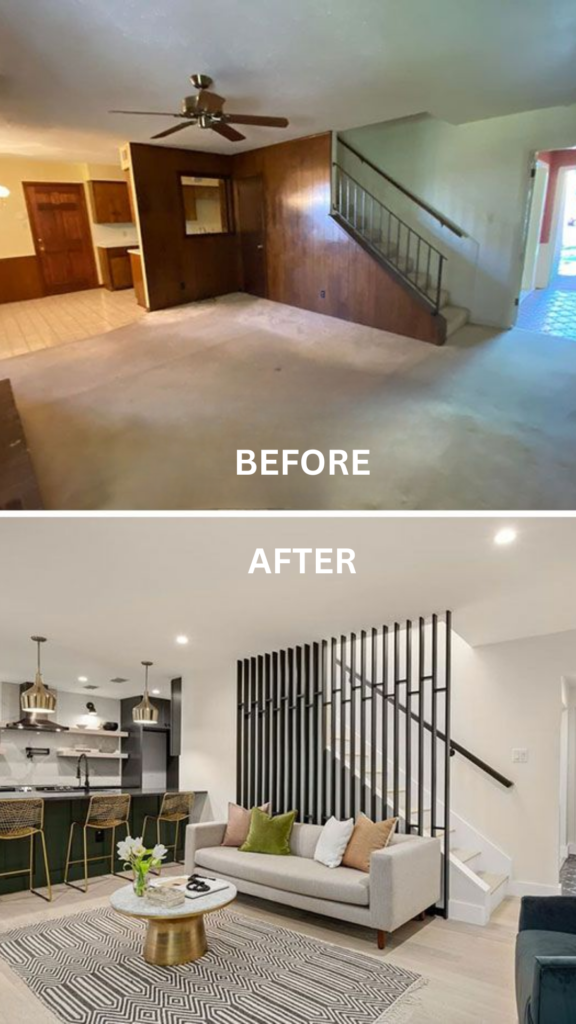
Renovation upgrades existing spaces with modern design and better planning. It includes layout changes, new materials, and improved lighting. Designers replace old finishes with contemporary ones. They handle structural alterations with care. Teams upgrade services like plumbing and wiring. They improve energy efficiency and ventilation. The process introduces a fresh aesthetic without complete rebuilding. Renovation increases both comfort and property value.

STYLING


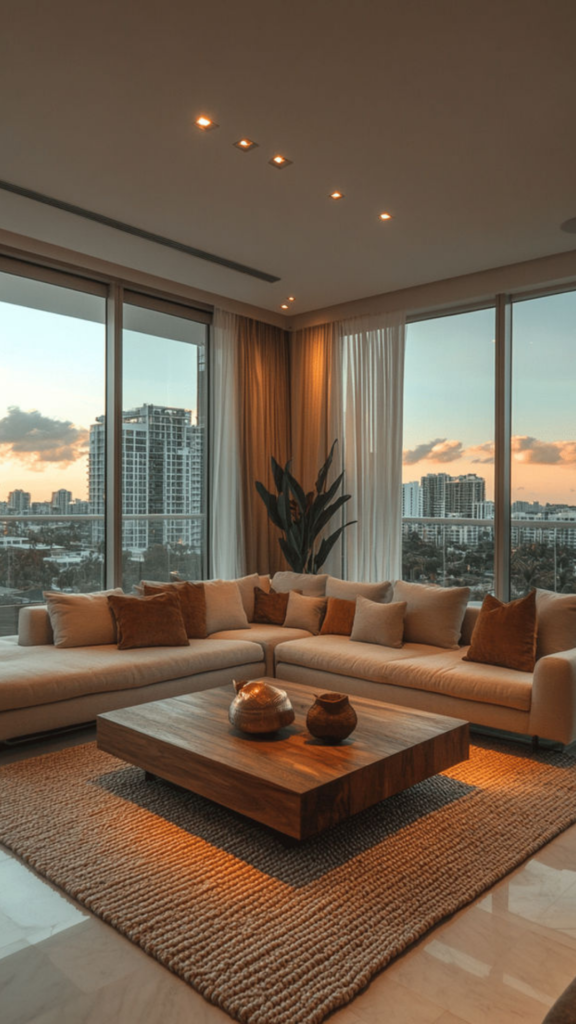
Styling adds the final decorative layer to the interiors. Designers select curtains, rugs, cushions, artwork, and accessories. They use lighting fixtures and indoor plants to enhance the ambience. They balance textures and patterns to create visual interest. They place personal elements with care. Styling brings warmth and character to the space. It completes the overall design story. Small details create a big impact.


SPACE OPTIMIZATION


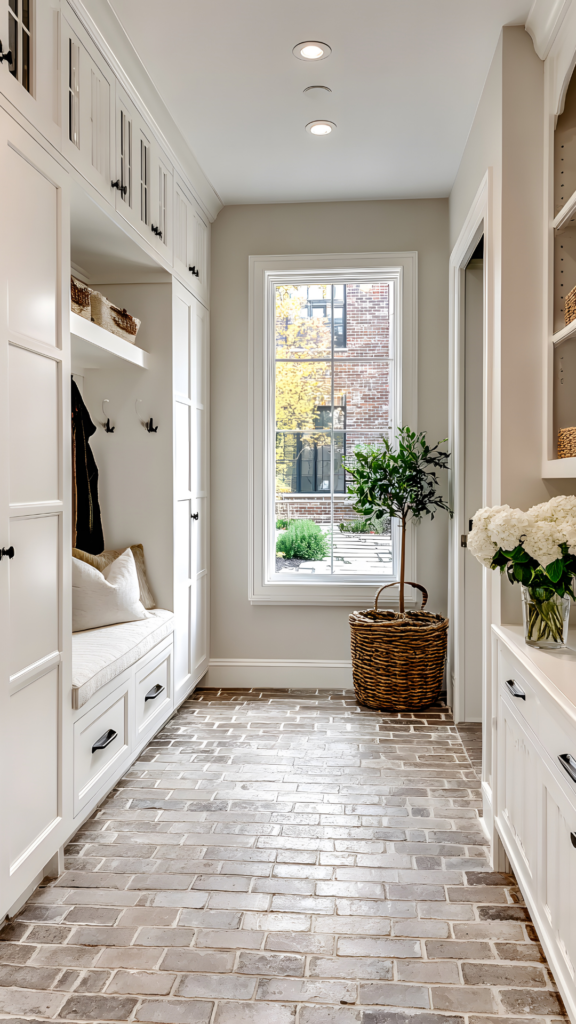
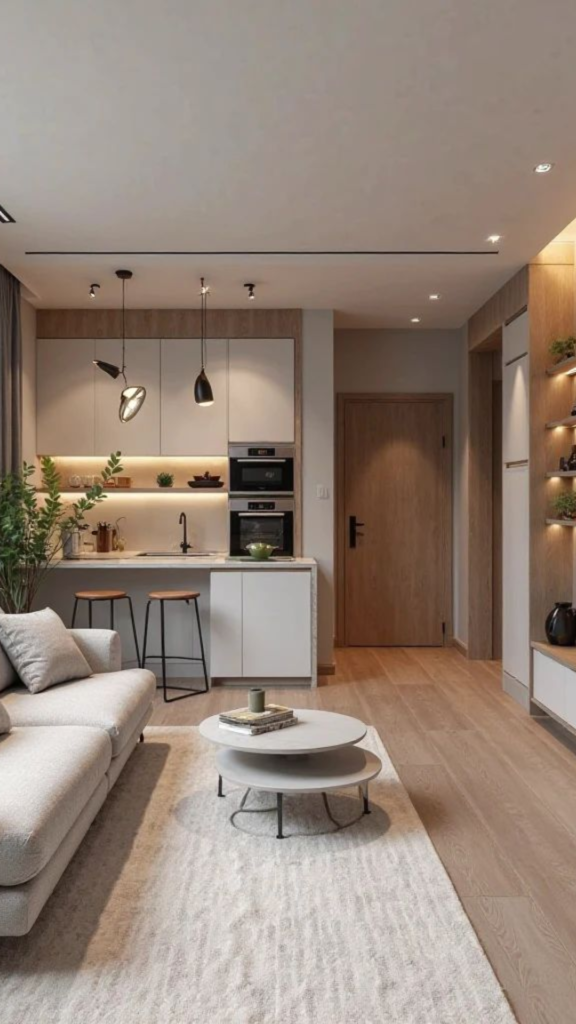
Space optimization uses every corner efficiently. Smart storage solutions reduce clutter. Multifunctional furniture saves space. Thoughtful layouts allow smooth movement. Designers utilize vertical areas effectively. They maximize natural light to create openness. Clever planning makes compact spaces feel larger. The result is a practical, comfortable, and visually spacious environment.