
What are the 7 basics of interior design
What are the 7 basics of interior design is more than just choosing pretty furniture and colors. It is a thoughtful process of creating spaces that are functional, aesthetically pleasing, and reflective of personal style. Understanding the 7 fundamentals of interior design provides a strong foundation for crafting harmonious and balanced interiors. These principles are essential for both professional designers and homeowners aiming to elevate their spaces.
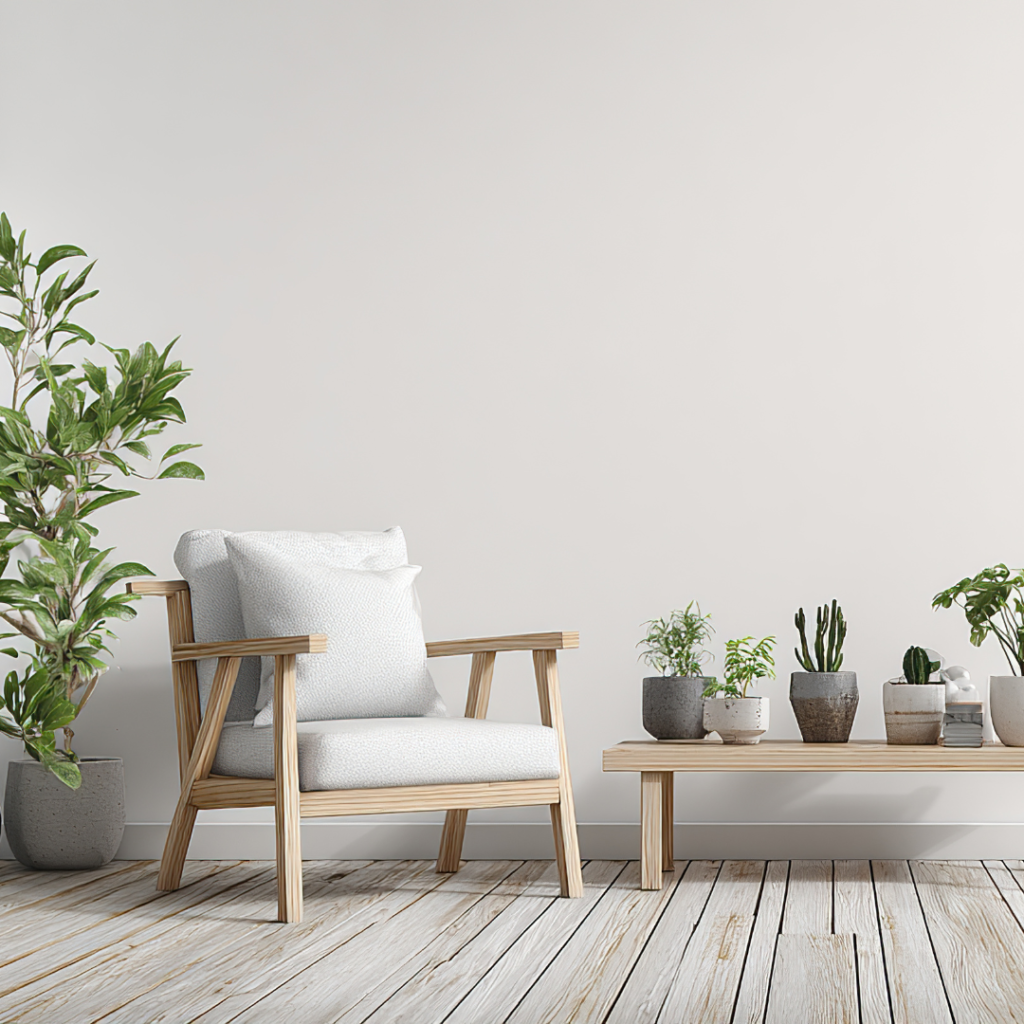
1. Space
Space is the most fundamental element of interior design. It refers to the physical boundaries of a room or area and is divided into two types:
Negative space (empty space): The areas in a room left intentionally open to prevent overcrowding and create breathing room.
Positive space (filled space): The parts of the room occupied by furniture, décor, or structural elements.
Balancing positive and negative space is crucial. Overcrowding a room with furniture or décor can make it feel cluttered and uncomfortable, while too much empty space can feel sparse and cold. Designers carefully plan furniture layout, circulation paths, and functional zones to maximize space usage without compromising openness.
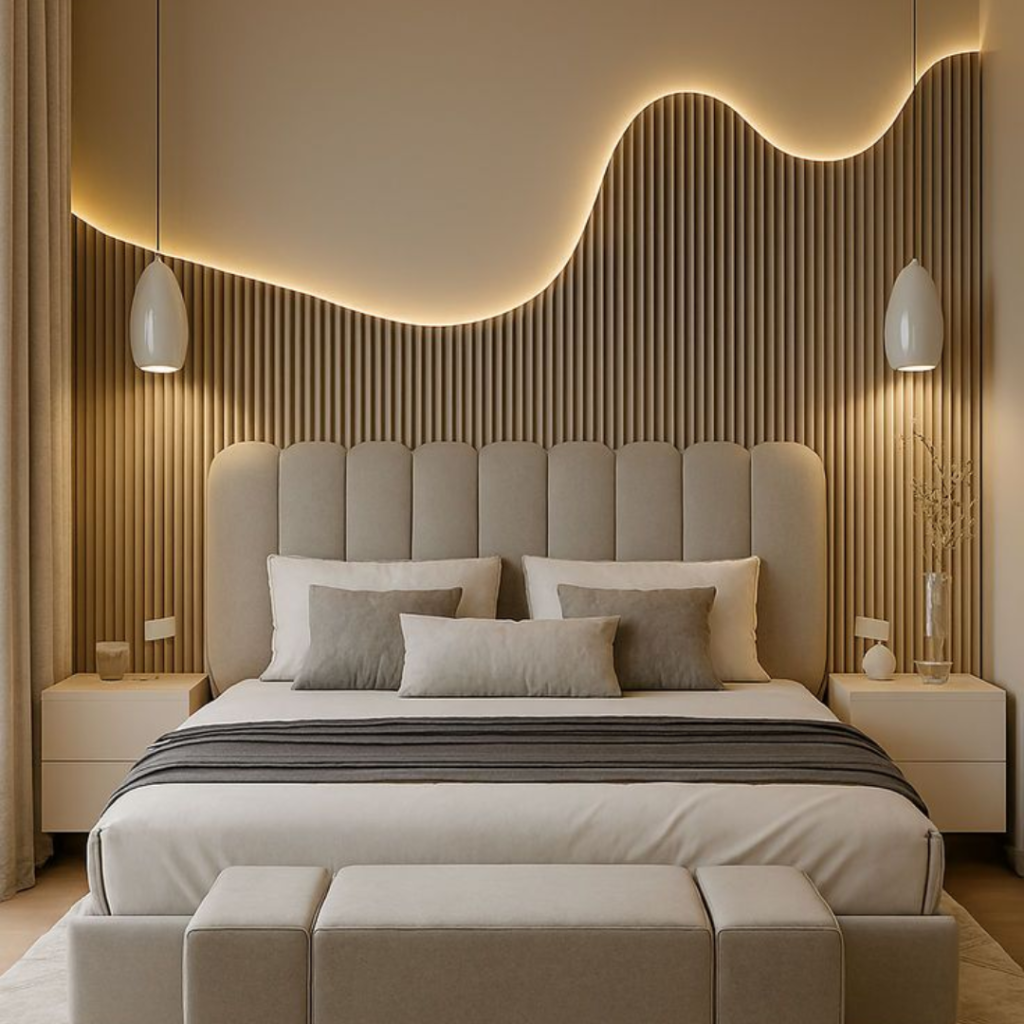
2. Line
Lines define the shape, form, and direction within a space. They can be vertical, horizontal, or dynamic (diagonal or curved), and each conveys a different visual effect:
Vertical lines create height, making ceilings feel taller.
Horizontal lines evoke stability and calmness.
Dynamic lines (curved or diagonal) add energy and movement.
Lines are visible in furniture edges, architectural details, patterns, and even lighting fixtures. Using lines strategically can guide the eye, highlight focal points, and influence the overall mood of a space.
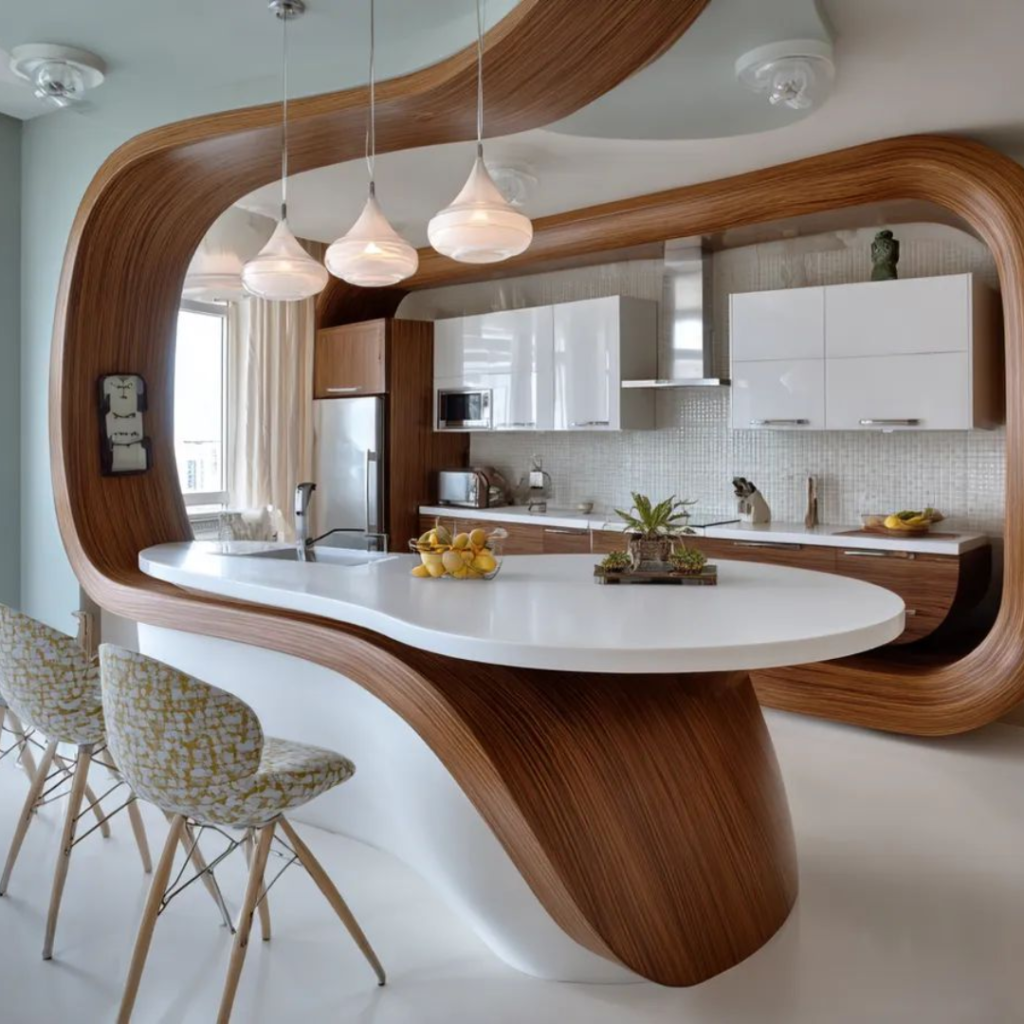
3. Form and Shape
Form and shape refer to the physical outline and structure of objects in a room. Shapes can be geometric (rectangles, squares, circles) or organic (irregular, natural forms).
Geometric shapes offer a sense of order, symmetry, and modernity.
Organic shapes introduce softness, fluidity, and natural appeal.
A well-designed space balances various forms to prevent monotony. For example, a room with a mix of angular furniture and rounded décor elements can feel dynamic yet harmonious.
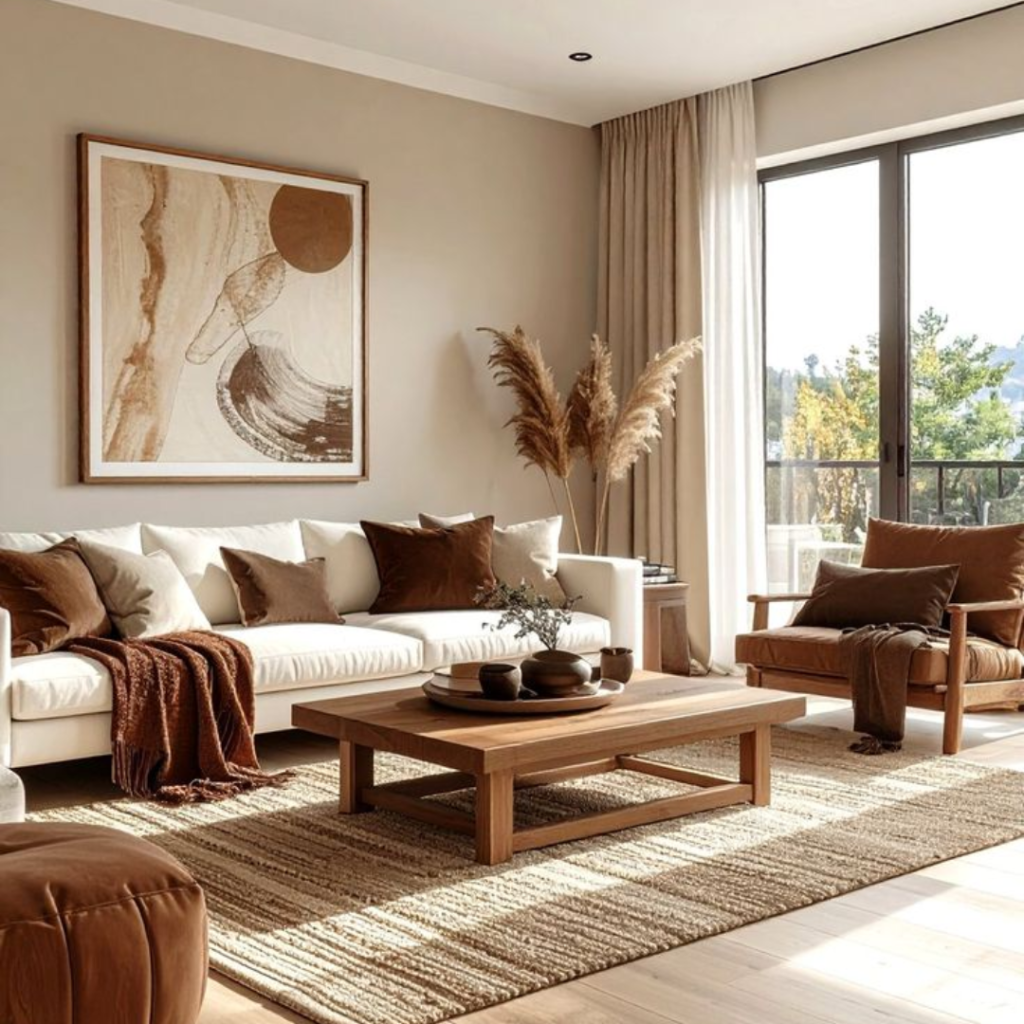
4. Color
Color is one of the most powerful tools in interior design. It affects perception, mood, and emotional response. Color theory involves understanding hues, tones, shades, and tints, as well as combinations like complementary, analogous, or monochromatic palettes.
Warm colors (reds, oranges, yellows) evoke energy, warmth, and coziness.
Cool colors (blues, greens, purples) promote calmness, relaxation, and serenity.
Designers use color to highlight architectural features, create focal points, and influence the psychological feel of a room. What are the 7 basics of interior design Proper color coordination ensures the space feels cohesive and intentional.
5. Texture
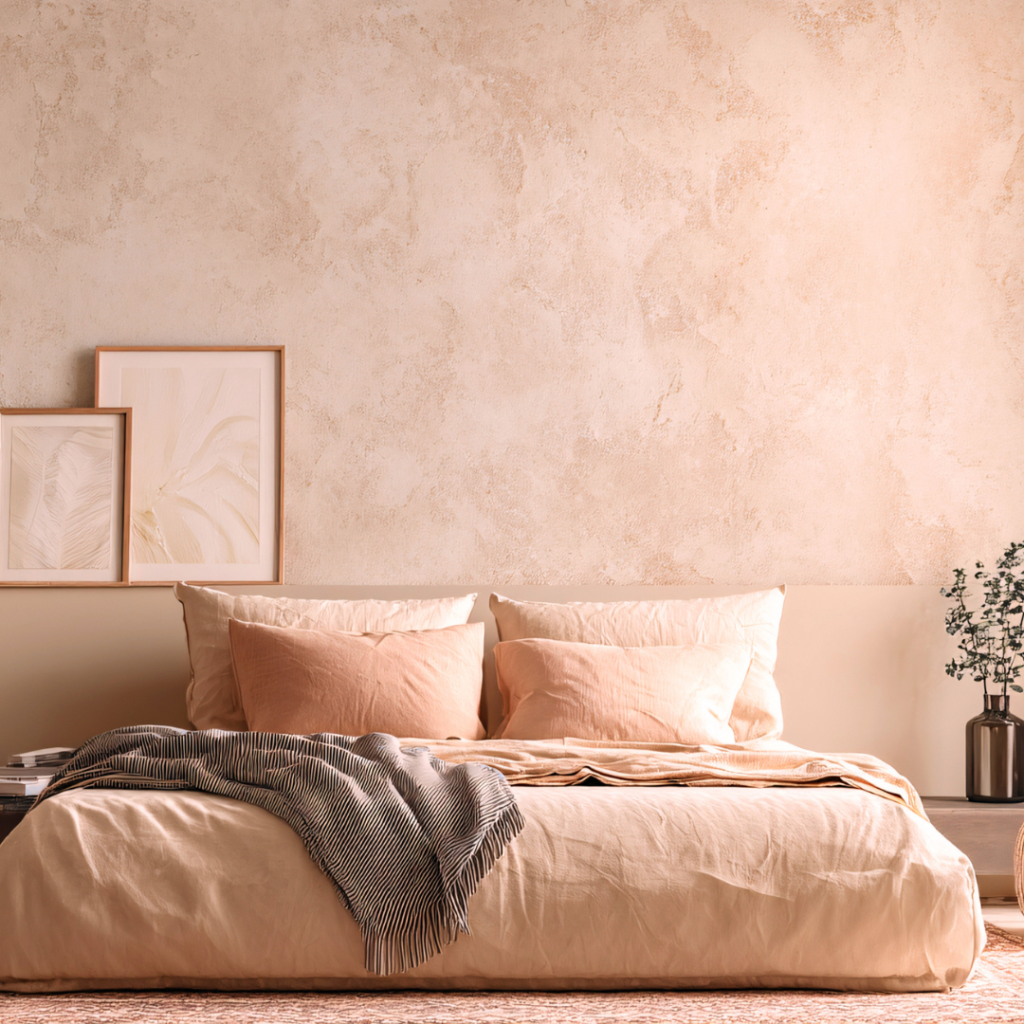
Texture is the surface quality of materials and objects, whether tactile (felt by touch) or visual (perceived visually). It adds depth and richness to interiors, preventing them from feeling flat or monotonous.
Soft textures like velvet, silk, or plush rugs convey comfort and luxury.
Rough textures like brick, stone, or raw wood add rustic character and authenticity.
Mixing textures creates contrast and interest, enhancing the sensory experience of a space.
6. Pattern
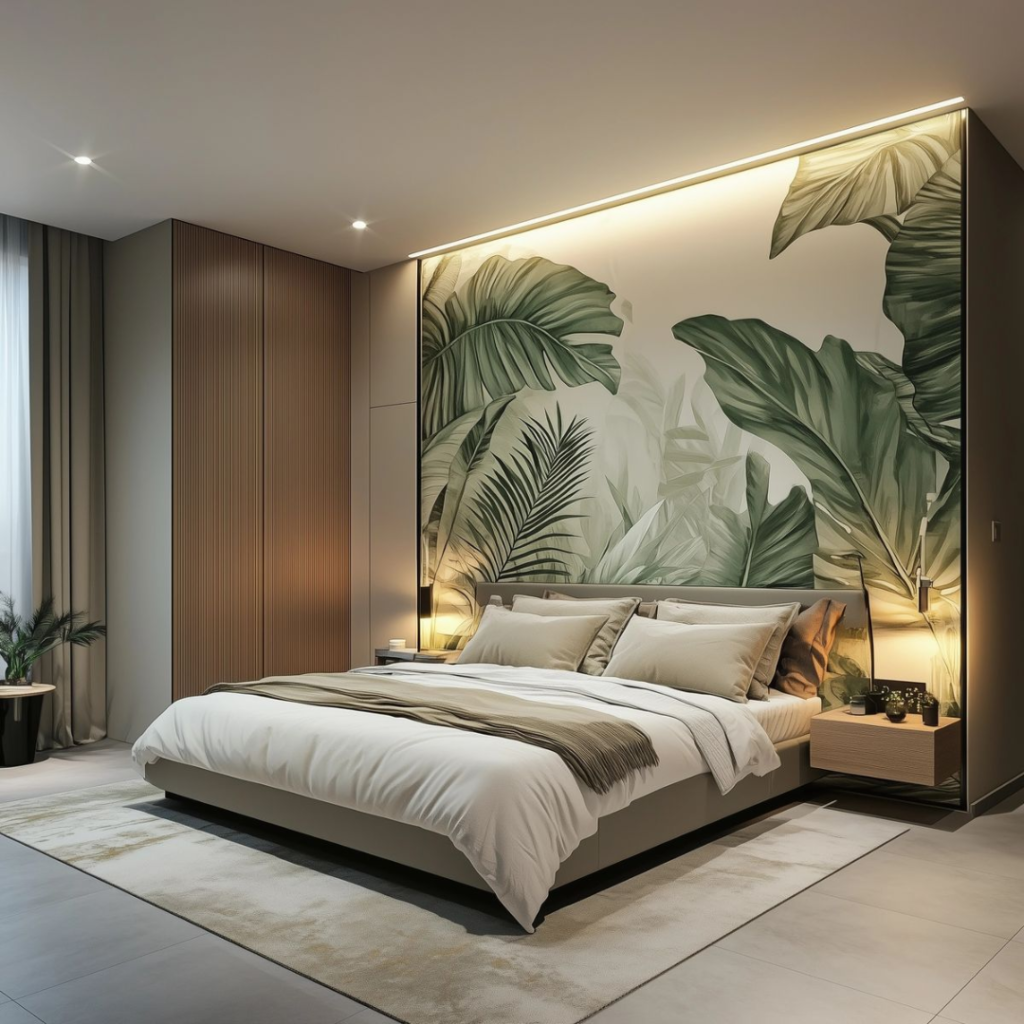
Patterns refer to repeated decorative elements on surfaces such as walls, fabrics, and flooring. They can be geometric, floral, abstract, or traditional. Patterns add personality, rhythm, and visual intrigue to interiors.
When used strategically:
Large-scale patterns can make small rooms feel cozier.
Small-scale patterns can add subtle detail without overwhelming the space.
Balance is key; too many competing patterns can create visual chaos, while thoughtful integration enhances harmony.
7. Light
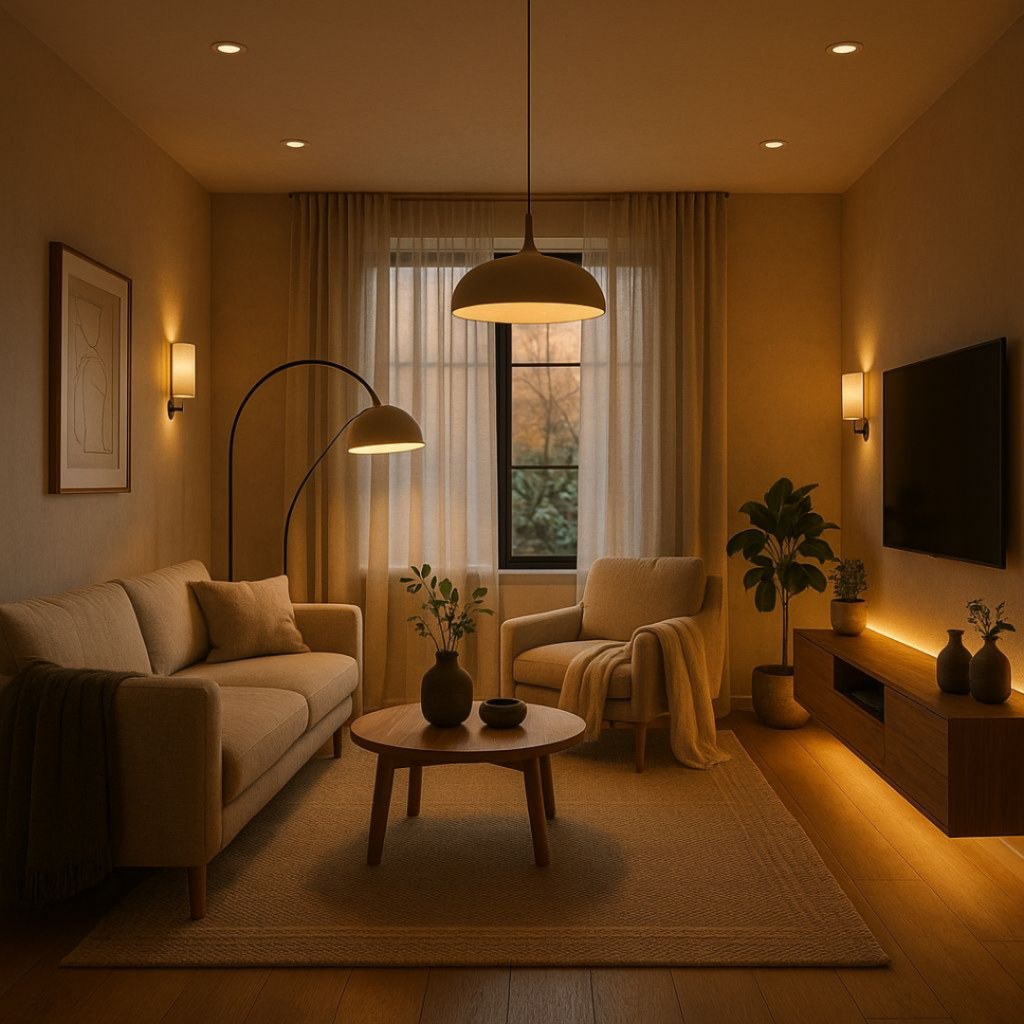
Lighting is not just functional—it shapes the atmosphere, highlights textures, and enhances colors. Interior designers consider natural light, ambient lighting, task lighting, and accent lighting to create layered illumination.
Natural light brightens spaces, enhances colors, and positively impacts mood.
Artificial lighting is used to highlight features, provide focus, and add warmth or drama.
Proper lighting transforms a room, making it inviting, comfortable, and visually appealing.