
Top Interior Design Trends for 2026
Top Interior Design Trends for 2026 focuses on creating homes that are smart, sustainable, and deeply personal. Warm minimalism replaces cold, stark spaces with soft neutrals, natural textures, and cozy materials. Smart home integration enhances comfort through automated lighting, climate control, and security. Sustainable choices like eco-friendly materials and energy-efficient lighting promote healthier living. Multifunctional furniture helps maximize space in modern apartments, while statement lighting adds artistic appeal. Nature-inspired elements such as indoor plants and natural light improve wellness and relaxation. Textured walls and layered finishes add depth, while personalized décor ensures each home reflects individual lifestyle and taste.
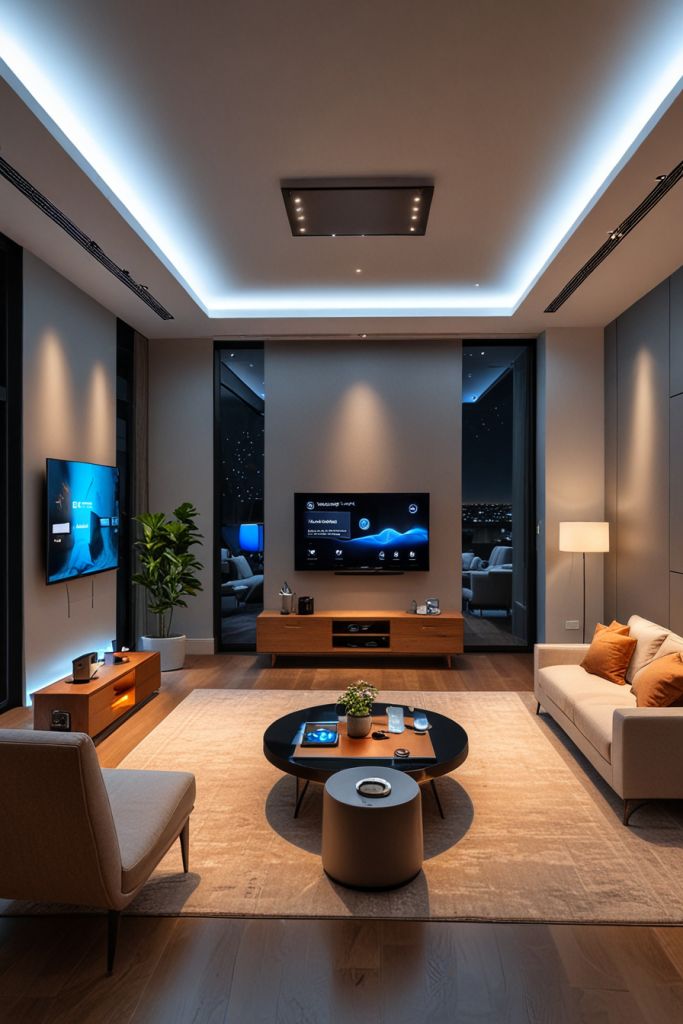
Smart & Integrated Living Spaces
Smart homes are no longer futuristic—they are the new standard. In 2026, interiors are designed around automation and seamless technology integration. Lighting, climate control, security, entertainment, and appliances can be controlled through voice commands or mobile apps. Hidden charging stations, sensor-based lighting, and motorized curtains enhance convenience while maintaining a clean aesthetic. Designers focus on blending technology subtly into the décor rather than making it visible. The result is a home that feels modern, efficient, and comfortable while improving daily living through intelligent systems that save energy, time, and effort.
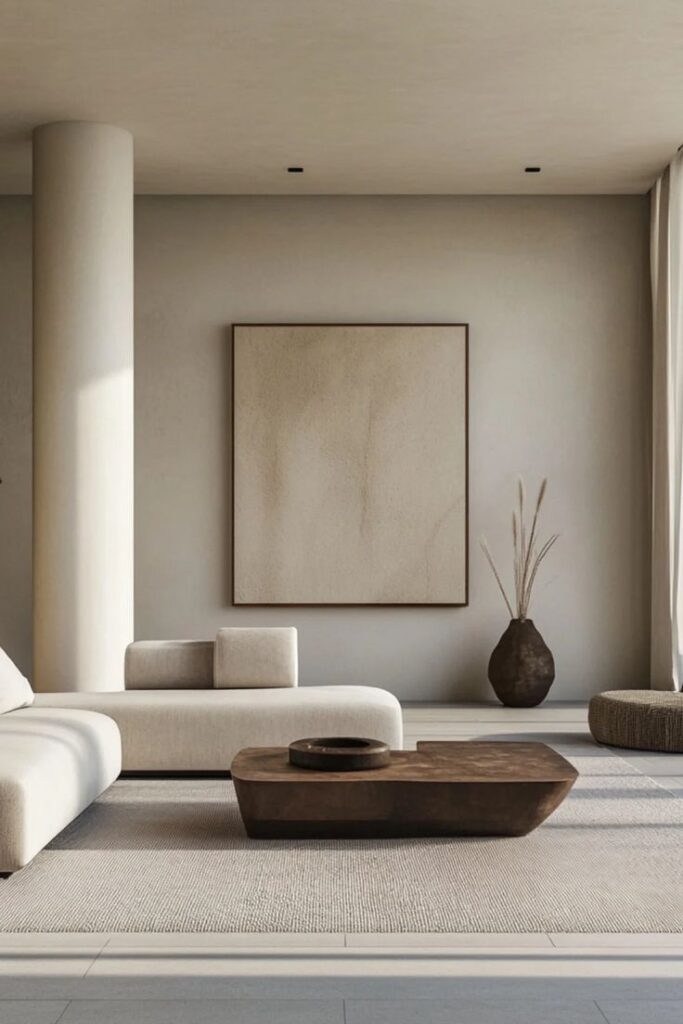
Warm Minimalism
Minimalism evolves in 2026 with a warmer, more inviting approach. Instead of stark white spaces, warm minimalism incorporates soft earth tones, natural textures, and cozy materials. Clean lines remain essential, but spaces feel lived-in and comfortable rather than cold and empty. Wood accents, linen fabrics, soft lighting, and handcrafted décor create balance and warmth. This design style promotes clarity, calmness, and mental well-being while maintaining elegance. The focus is on quality over quantity—fewer items, but each one meaningful, functional, and visually pleasing.
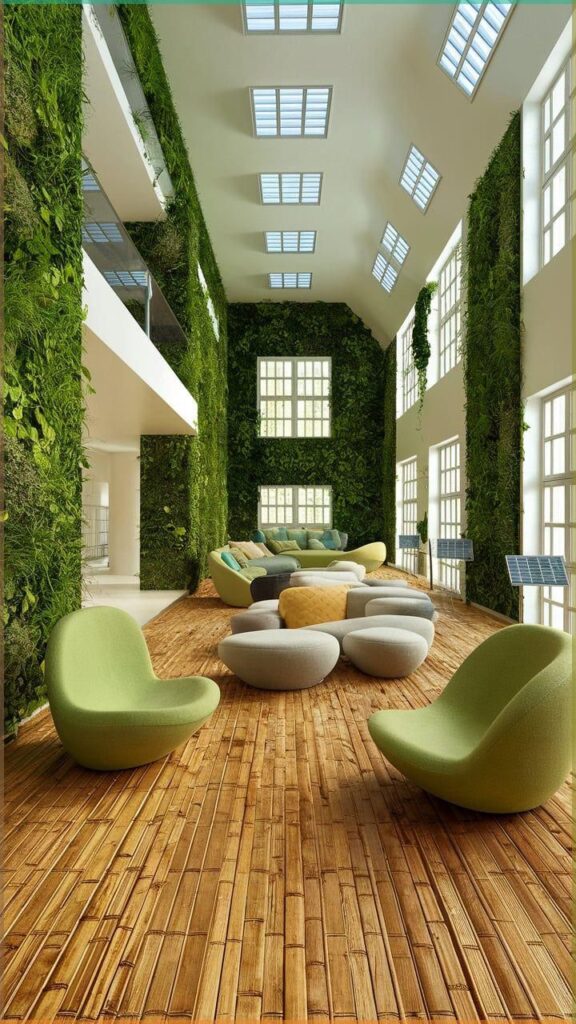
Sustainable & Eco-Friendly Materials
Sustainability continues to shape interior design decisions. Homeowners are choosing eco-conscious materials such as reclaimed wood, bamboo, cork, recycled metals, and low-VOC paints. Energy-efficient lighting, natural ventilation, and locally sourced materials reduce environmental impact while enhancing indoor air quality. Designers are prioritizing durability and longevity to minimize waste. Sustainable interiors not only benefit the planet but also create healthier living environments. In 2026, eco-friendly design is not just a trend—it’s a responsibility and a long-term investment in both well-being and environmental preservation.
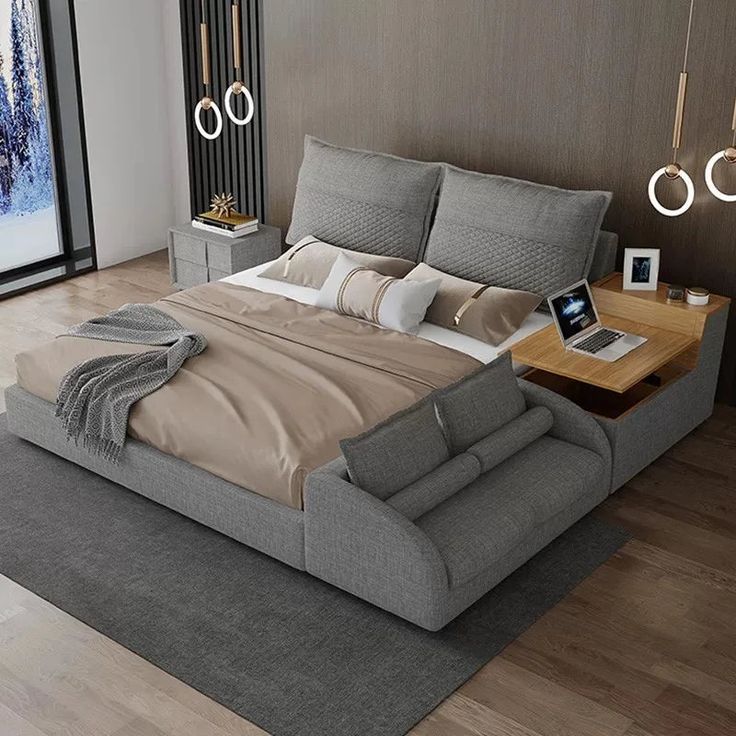
Multifunctional & Space-Saving Design
As urban homes become more compact, multifunctional design solutions are gaining popularity. Furniture pieces now serve multiple purposes—sofa-cum-beds, extendable dining tables, hidden storage units, and foldable workstations maximize usability. Built-in storage helps maintain clutter-free spaces while enhancing visual appeal. This trend is particularly valuable for apartments and smaller homes, where efficient space planning improves comfort and functionality. Designers focus on flexible layouts that adapt to changing needs, allowing one space to function as a living area, workspace, or relaxation zone.
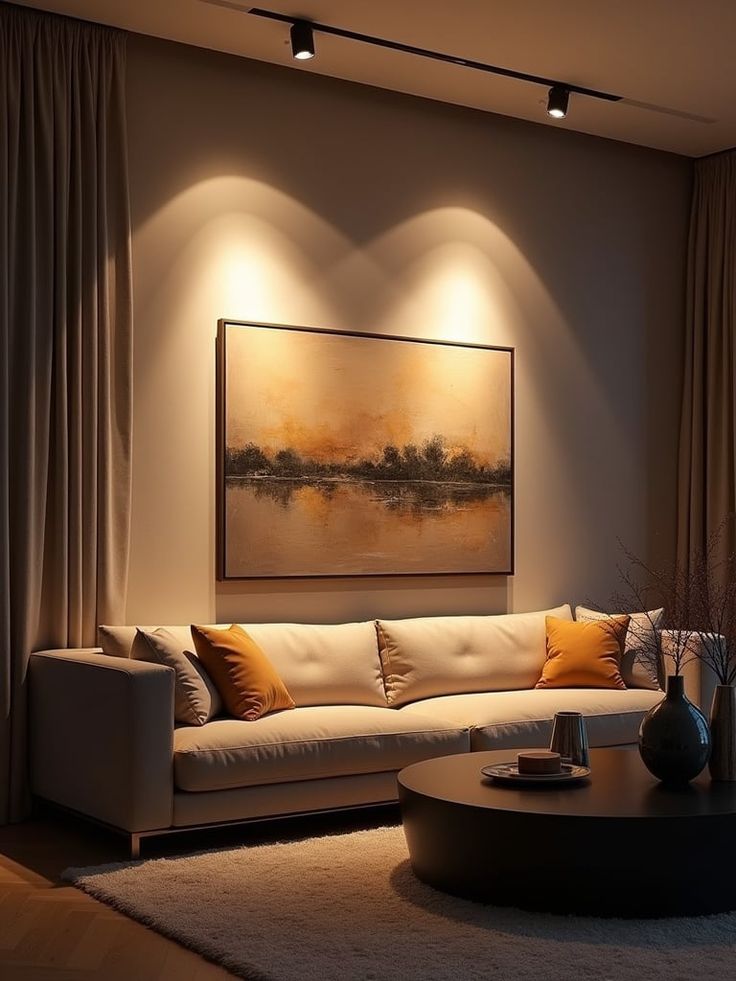
Statement Lighting as Art
Lighting is no longer just functional; it is a defining design feature. Sculptural chandeliers, geometric pendants, layered lighting schemes, and hidden LED accents add depth and drama to interiors. Statement lighting fixtures serve as focal points, enhancing the room’s personality and mood. Warm lighting tones create comfort, while task lighting improves usability. Designers combine ambient, accent, and task lighting to achieve balanced illumination. In 2026, lighting is treated as an artistic element that transforms atmosphere and highlights architectural details.
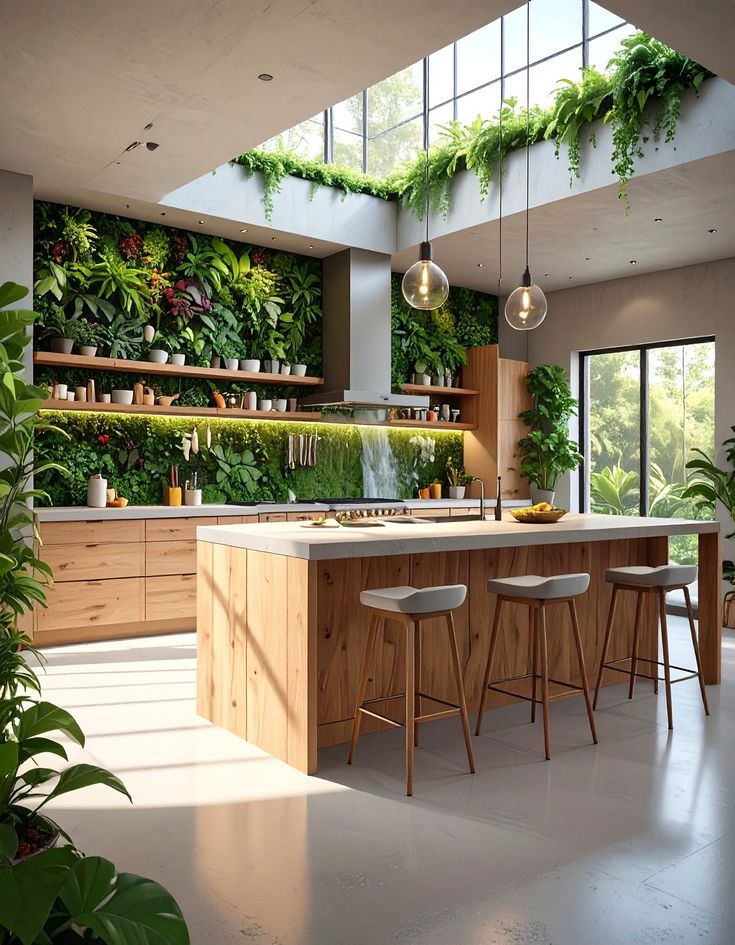
Nature-Inspired Interiors (Biophilic Design)
Biophilic design continues to gain momentum as people seek stronger connections with nature. Interiors incorporate indoor plants, natural light, stone finishes, wooden textures, and water elements to create calming environments. Large windows, skylights, and open layouts enhance daylight flow and ventilation. Nature-inspired color palettes—greens, browns, and soft neutrals—promote relaxation and wellness. This design approach improves mood, reduces stress, and enhances productivity, making homes feel refreshing and rejuvenating.
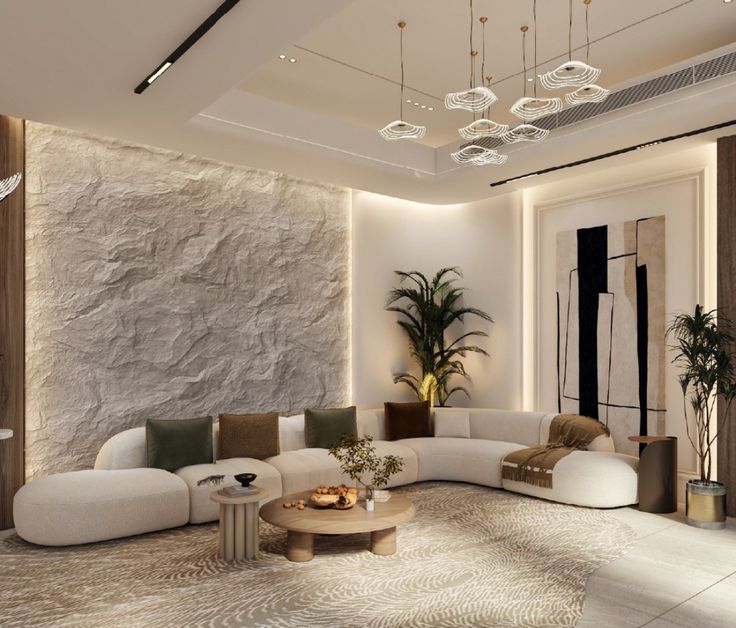
Textured Walls & Layered Surfaces
Flat walls are being replaced by tactile surfaces that add depth and character. Textured finishes such as lime plaster, wood paneling, fluted panels, stone cladding, and 3D wall designs create visual interest. Layering textures through fabrics, rugs, and décor enhances warmth and sophistication. Designers use textures to highlight feature walls, define zones, and create focal points. This trend adds personality and richness to interiors while maintaining elegance and modern appeal .Top Interior Design Trends for 2026
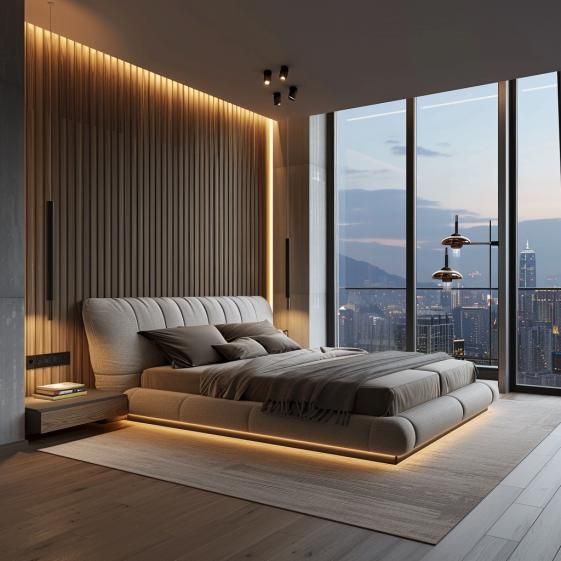
Personalized & Bespoke Interiors
In 2026, homes reflect individuality more than ever before. Custom furniture, curated artwork, personalized layouts, and unique décor elements allow homeowners to express their identity. Designers focus on tailoring spaces to lifestyle needs, preferences, and daily routines. Whether it’s a reading nook, home office, or hobby corner, personalization ensures functionality and emotional connection. Bespoke interiors combine aesthetics with practicality, creating spaces that feel authentic, meaningful, and uniquely yours.