
Stylish Home Design Secrets
Stylish Home Design Secrets Creating a stylish home is all about balance, detail, and smart planning. Start with a cohesive color palette that flows naturally from room to room. Layer lighting with ambient, task, and accent fixtures to add depth and warmth. Invest in quality furniture with clean lines and timeless appeal. Mix textures like wood, fabric, metal, and glass to create visual interest. Add statement pieces such as artwork or a bold accent chair to elevate the space. Keep clutter minimal and focus on functional layouts that maximize comfort. Finally, personalize your interiors with décor that reflects your lifestyle and taste for a truly stylish home.
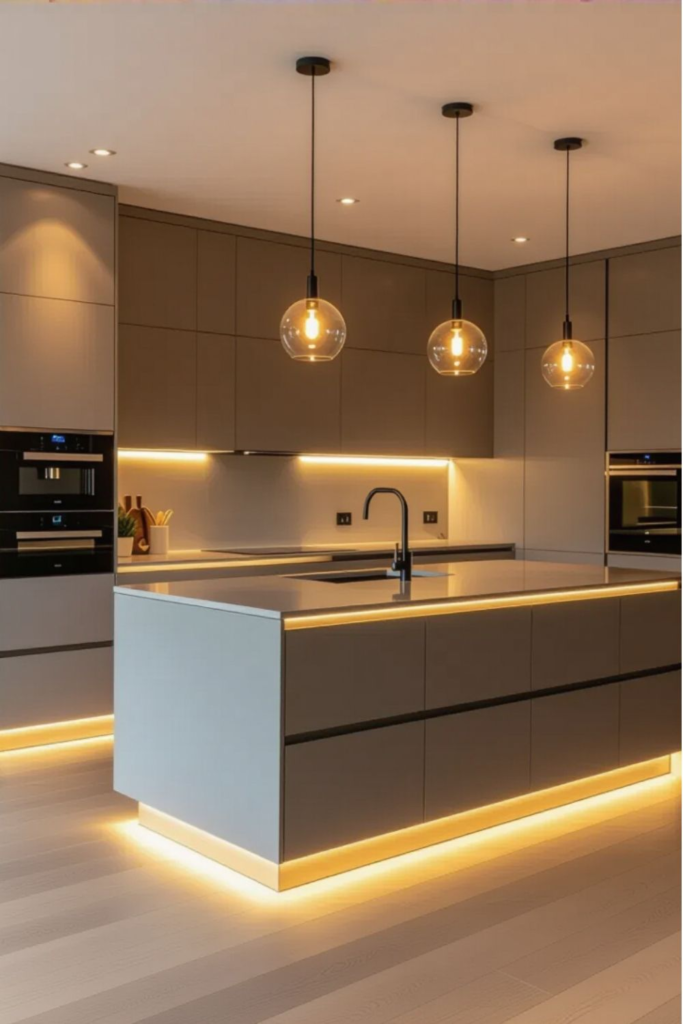
Lighting Changes Everything
Lighting is one of the most powerful yet underrated elements in interior design. A well-designed lighting plan includes three layers: ambient lighting for overall brightness, task lighting for functionality, and accent lighting to highlight architectural features or décor. Warm lighting creates a cozy atmosphere, while cooler tones offer a modern, fresh look. Pendant lights, wall sconces, recessed lights, and LED strips add depth and drama to a space. Proper lighting enhances colors, textures, and materials, making the room feel larger, brighter, and more luxurious without changing the furniture or layout.
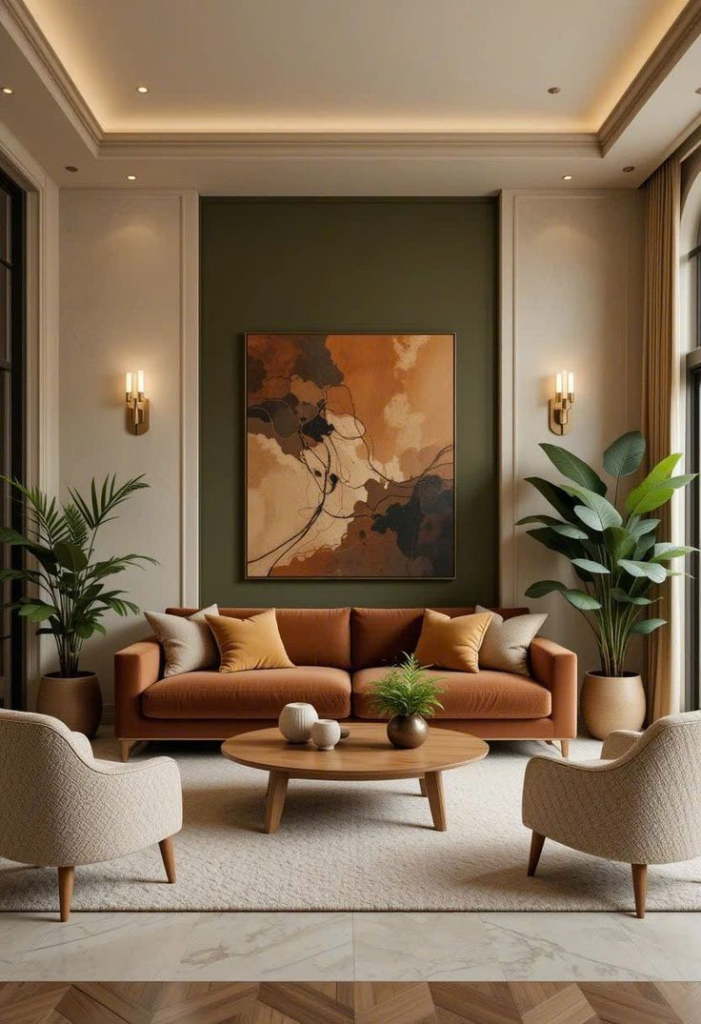
Perfect Proportions Matter
Furniture proportion plays a critical role in achieving visual balance. Oversized sofas in small rooms can make the space feel cramped, while tiny furniture in large rooms looks disconnected. Designers carefully measure layouts to ensure every piece complements the room’s dimensions. The height of tables, width of walkways, and spacing between furniture all affect comfort and functionality. Maintaining proper scale creates harmony and allows the room to breathe. When proportions are correct, even simple interiors look elegant and thoughtfully designed.
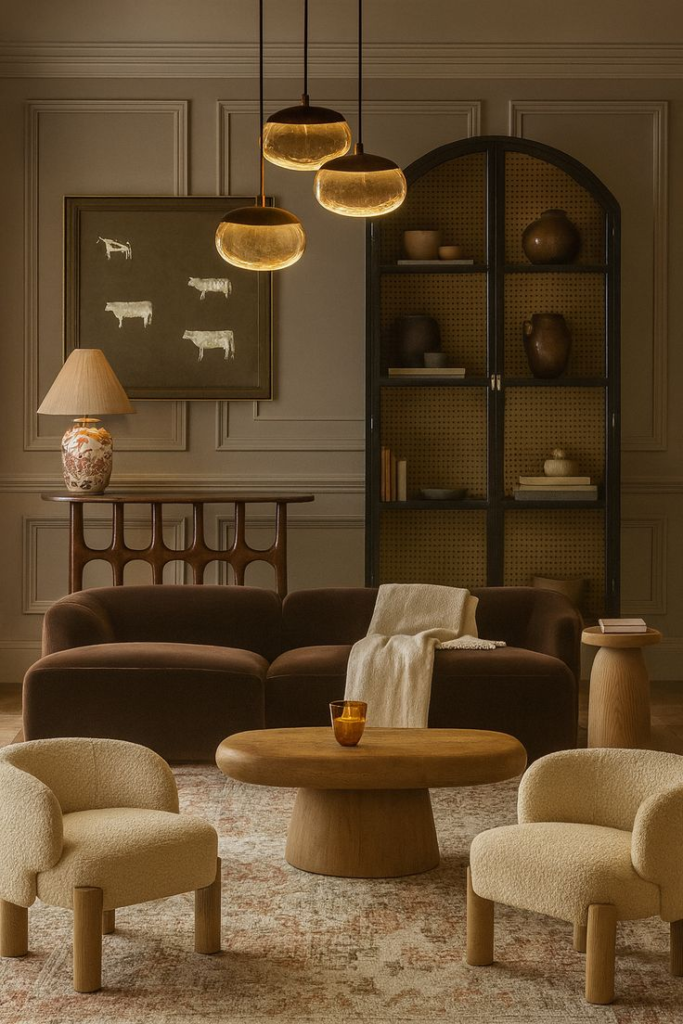
Neutral Base, Bold Accents
A neutral foundation creates timeless appeal and flexibility. Shades like beige, white, grey, or soft taupe form a calming backdrop that makes rooms feel spacious and refined. Designers then introduce bold accents through cushions, artwork, rugs, or statement furniture. This approach allows easy updates without major renovations. Accent colors add personality while maintaining sophistication. The contrast between subtle walls and striking décor elements creates visual interest and balance. This strategy ensures your home remains stylish for years while still reflecting your unique taste.
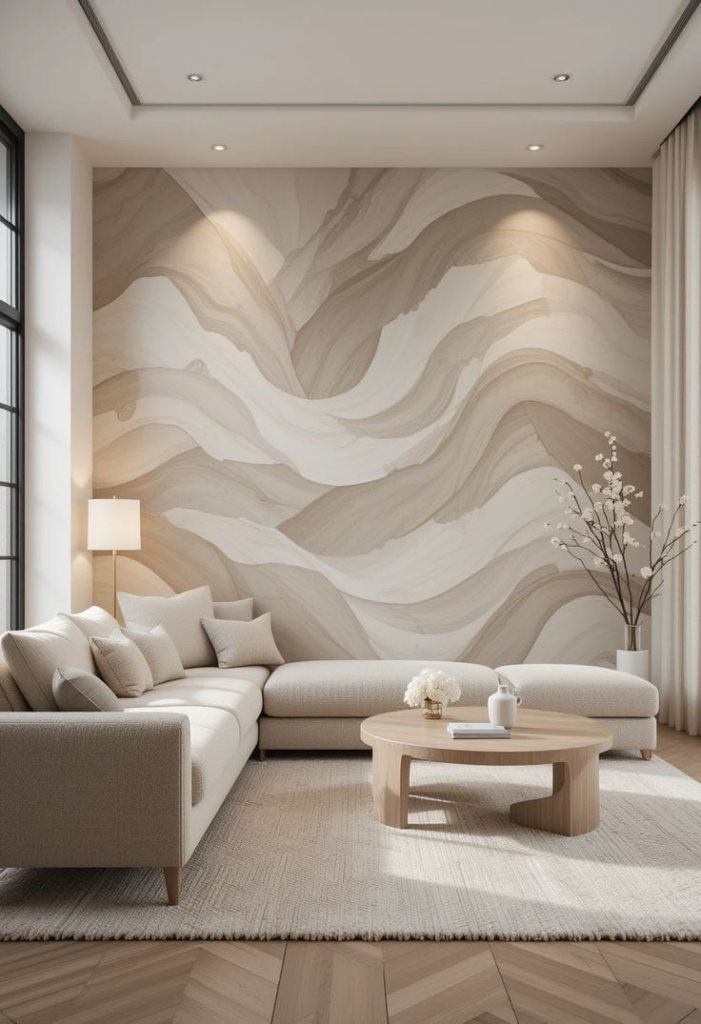
Textures Create Luxury
Luxury interiors are not just about expensive materials—they are about layered textures. Combining soft fabrics like velvet or linen with natural wood, sleek metals, glass, or stone adds depth and richness. Texture enhances sensory experience, making spaces feel warm and inviting. For example, pairing a matte wall with glossy décor or a plush rug with smooth flooring creates contrast and elegance. Mixing materials thoughtfully prevents interiors from looking flat or monotonous. Texture is the secret ingredient that makes a space feel curated and high-end.
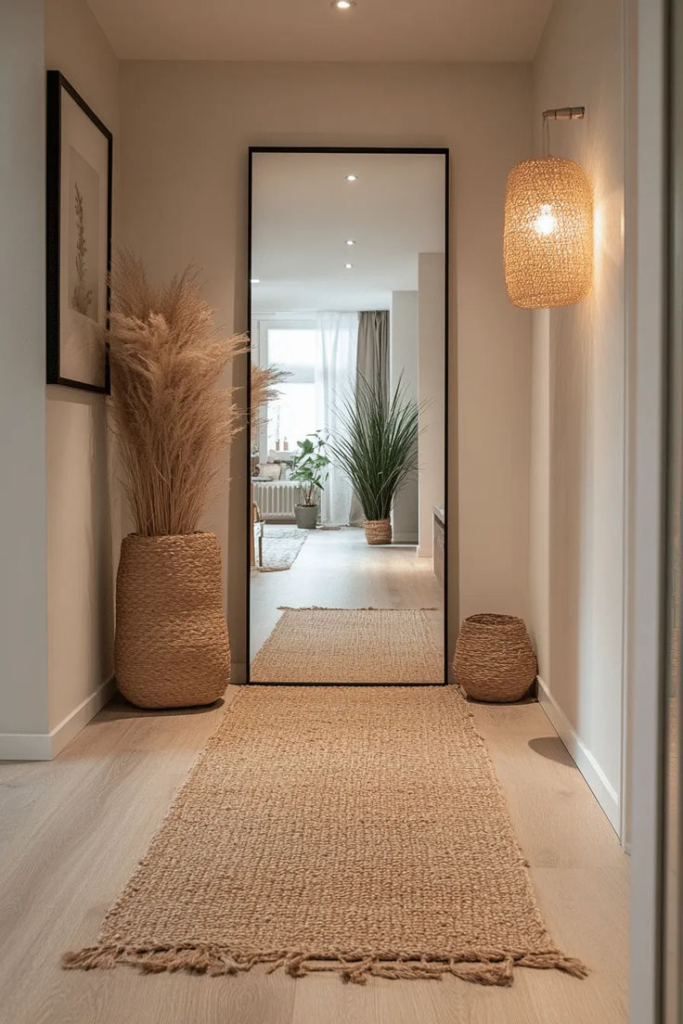
Hidden Storage Is Key
Clutter can instantly diminish the beauty of any interior. Smart storage solutions keep spaces organized while maintaining clean aesthetics. Built-in cabinets, concealed wardrobes, multifunctional furniture, and under-bed storage maximize functionality without compromising style. Designers integrate storage seamlessly into walls, furniture, or staircases to maintain a minimal look. Hidden storage promotes calmness and efficiency, especially in modern homes where space optimization is essential. A well-organized home feels spacious, peaceful, and visually appealing.
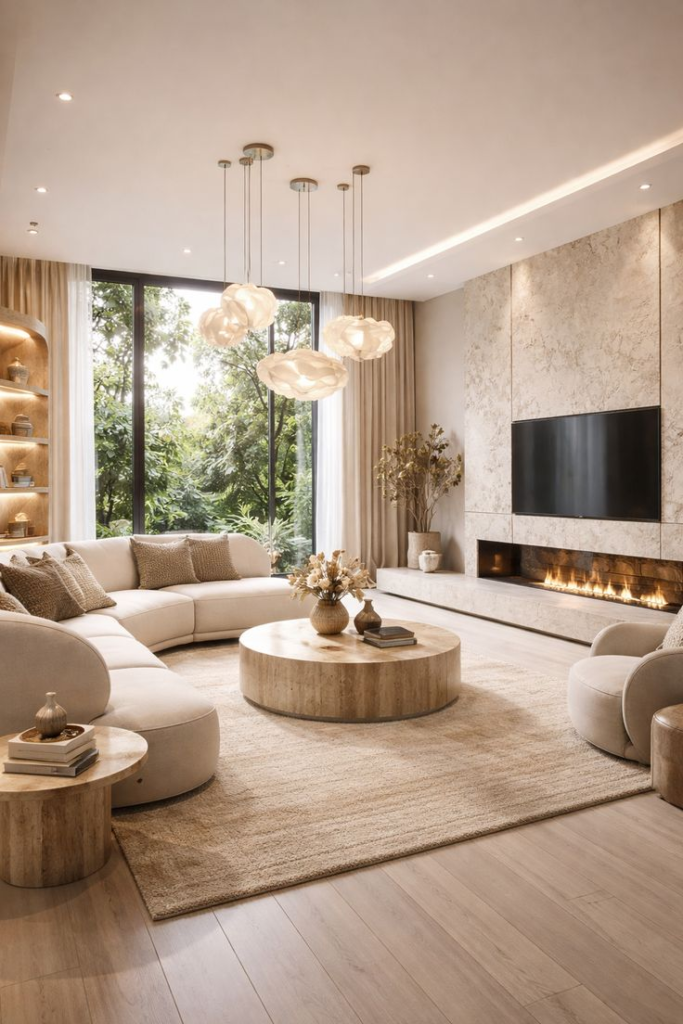
Focus on One Statement Piece
Every well-designed room has a focal point that captures attention immediately. This could be a statement chandelier, bold artwork, designer sofa, textured wall, or unique coffee table. A focal point anchors the room and guides the overall design direction. Without it, spaces may feel scattered or incomplete. Designers carefully balance supporting elements around the statement piece to avoid visual clutter. By allowing one feature to stand out, the space feels intentional, stylish, and sophisticated.
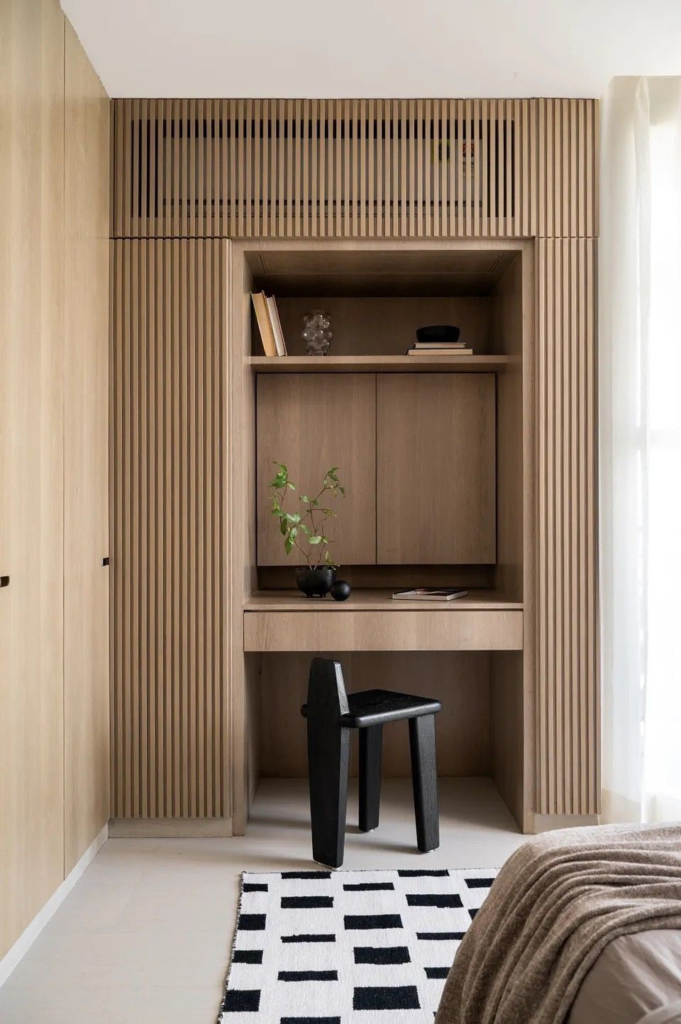
Consistent Color Flow
Maintaining color continuity throughout a home creates visual harmony. While each room can have its own personality, a consistent palette connects spaces seamlessly. Designers often choose two or three primary colors and repeat them subtly across rooms through walls, furniture, or décor. This flow prevents abrupt transitions and makes homes feel cohesive. A well-planned color scheme enhances spatial perception and emotional comfort. Consistency in tones ensures the home feels professionally designed rather than randomly decorated.
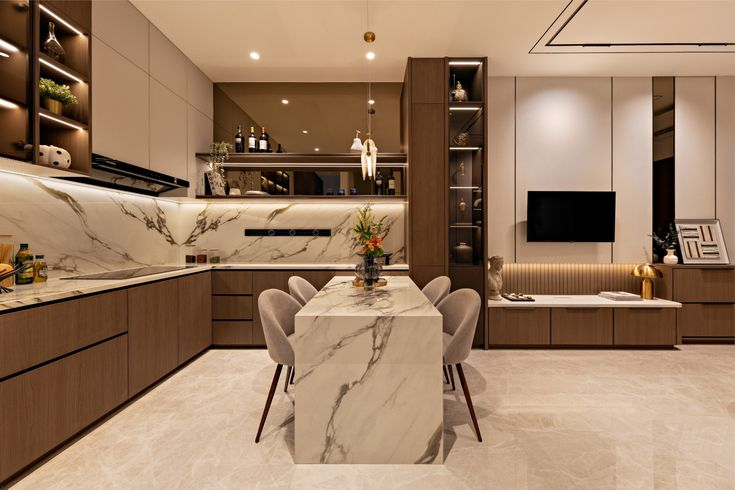
Details Make the Difference
The smallest elements often have the biggest impact. Door handles, cabinet hardware, trims, moldings, curtain fabrics, and switch plates contribute to the overall aesthetic. Premium finishes elevate even simple designs. Attention to symmetry, alignment, and finishing details distinguishes ordinary interiors from refined spaces. Designers focus on these subtle aspects to achieve a polished look. Thoughtful detailing adds character, depth, and elegance, ensuring the home feels complete and luxurious.